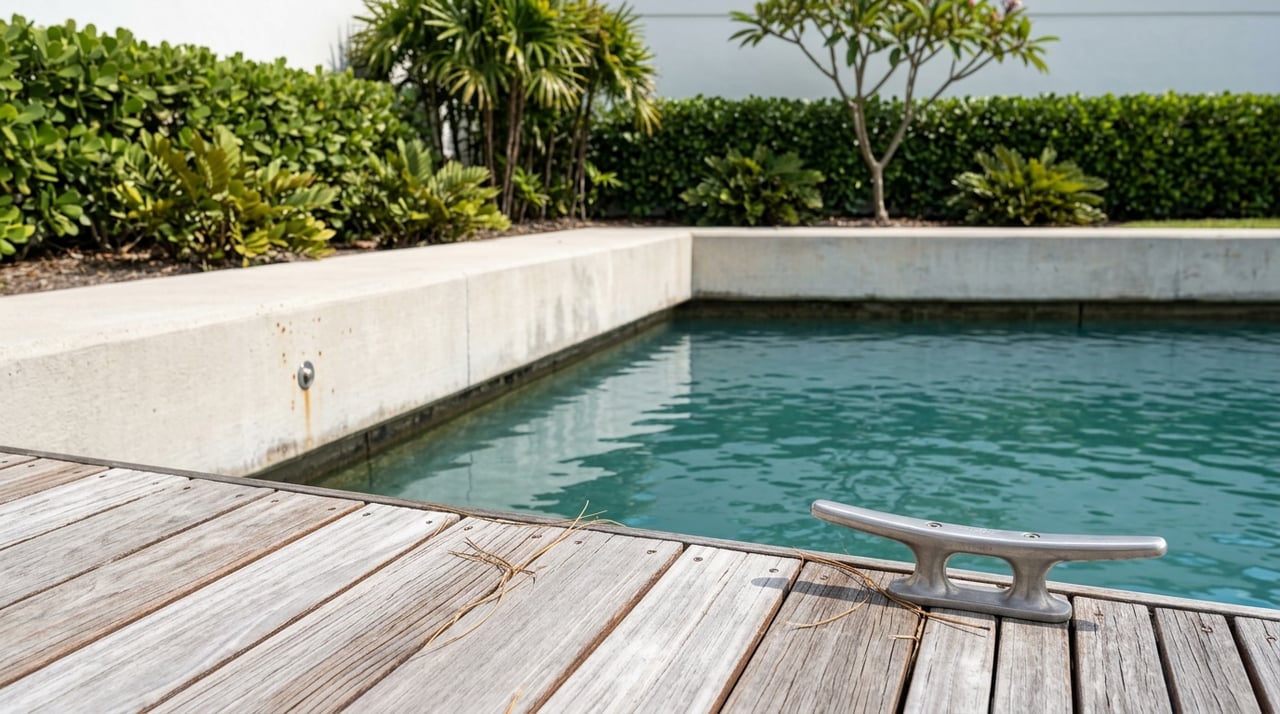
Buying in Port Royal is not like buying in most Naples neighborhoods. Here, the address is only part of the story. Your lot orientation, shoreline setup, dock potential, flood considerations, and club eligibility can all shape how the property works for you day to day. If you are considering a purchase in this market, understanding those details upfront can help you make a more confident decision. Let’s dive in.
Why Port Royal Requires Extra Diligence
Port Royal sits at the southern tip of Naples, between the Gulf of Mexico and Naples Bay, stretching from 21st Avenue South to Gordon Pass. That geography gives the neighborhood its appeal, but it also makes each property highly specific.
In practical terms, buying here is not just about the home itself. It is also a decision about shoreline conditions, boating access, neighborhood review standards, and possible club access. In a market like Port Royal, small parcel differences can have a meaningful impact on value and lifestyle.
The Port Royal Property Owners’ Association plays an important role in the neighborhood, and the Port Royal Club is another key part of the ownership picture. For many buyers, this means the purchase should be evaluated as a full lifestyle decision, not only a real estate transaction.
Lot Orientation Matters More Here
In many neighborhoods, lot orientation mainly affects sunlight and views. In Port Royal, it can do much more than that. Because homes may face the Gulf, Naples Bay, or more protected waterfront edges, orientation can influence privacy, boating usability, and how open or enclosed a property feels.
A west-facing property may offer a different visual experience than an east-facing one. A more protected shoreline may also function differently than a parcel with broader exposure. Even within the same neighborhood, those differences can change how you use the home.
That is why buyers should look beyond broad labels like “waterfront” or “bayfront.” In Port Royal, the exact parcel configuration often matters just as much as the address.
View Corridors and Privacy
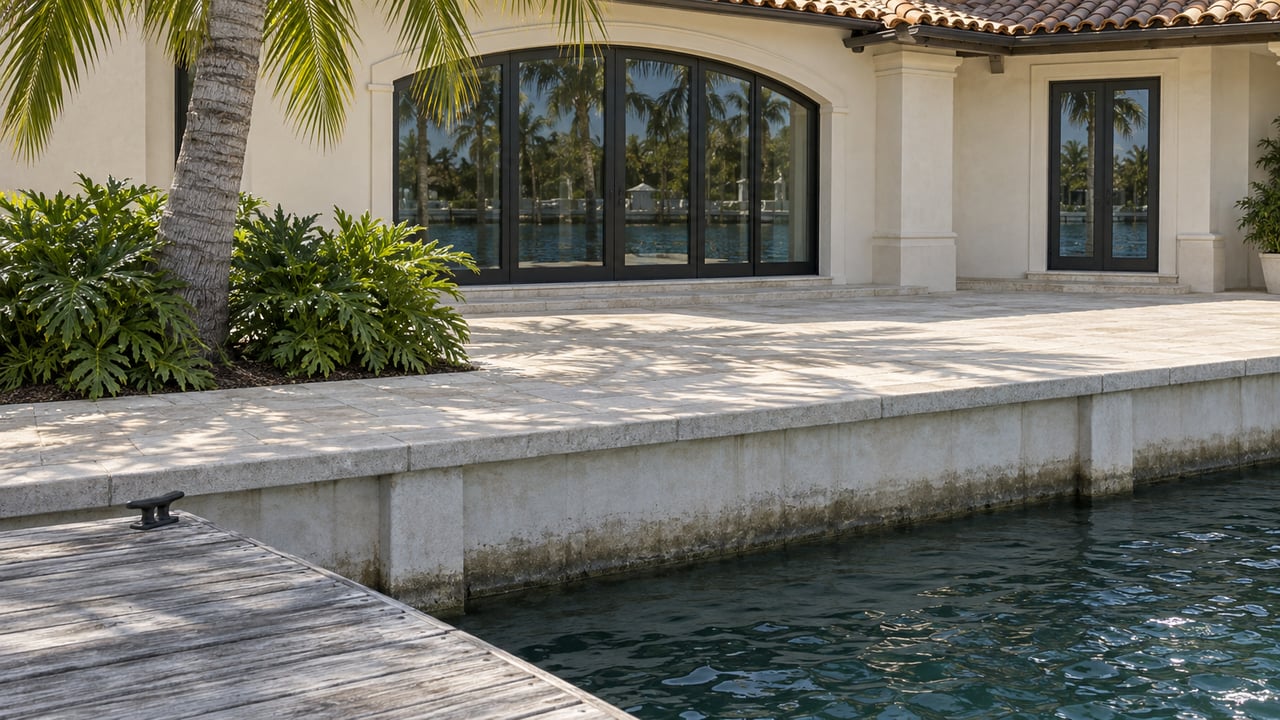
Your experience on the water depends on more than the view straight ahead. Nearby docks, neighboring structures, shoreline geometry, and lot placement can all affect privacy and sightlines.
The Port Royal dock review process reflects this reality. It requires a scaled legal survey, aerial view, adjacent-property dock information, shoreline and rip-rap details, and a post-construction survey. That is a strong signal that survey, shoreline, and view corridor should be reviewed together.
Day-to-Day Boating Function
Naples Bay connects to the Gulf through Gordon Pass, but access and functionality still vary by property. The specific waterfront setup can affect how practical your dock is for routine use.
If boating is part of your plan, you should evaluate the lot with that use in mind from the start. A parcel that looks ideal on paper may not support the same dock or lift arrangement you expected.
Understand Dock and Shoreline Rules Before You Offer
One of the biggest buyer mistakes in Port Royal is assuming future dock or shoreline changes will be simple. They often are not. The neighborhood sits within Naples’ R1-15A district, and the code is plat-specific rather than completely uniform across the area.
Current code excerpts include minimum front, side, and rear yard standards, along with dock-envelope rules. In general, piers may not extend more than 25 feet waterward of the toe of the rip-rap, though some Naples Bay and Gordon Pass properties may qualify for exceptions based on depth and habitat conditions. Dock width and overall dimensions are also limited.
The same code states that seawalls and recessed boat slips are generally not permitted in R1-15A, except in specific cases. That means your future plans should be reviewed carefully before you commit to a property.
Port Royal Adds Another Review Layer
City rules are only part of the picture. The Port Royal Association also reviews dock and shoreline plans before city submission.
Its Dock and Shoreline Committee requires plan review in advance, and an as-built survey after completion. The association also notes that membership must be maintained throughout construction. For buyers, that means major waterfront work is typically a process-driven project, not a quick post-closing update.
Marine Permits Are Part of the Process
Separate city resources show that marine work requires a city building permit. Contractors working on or above navigable waters must also provide longshore insurance.
If state or federal permission is required, that approval must be presented before the city issues the marine permit. City materials also list separate permit fees for docks, seawalls, and boat lifts. This is another reason to confirm feasibility early rather than assume changes can be made later.
Architecture and Improvement Status Matter
Port Royal does not follow a single architectural style. Homes in the neighborhood range from ranch-style residences to contemporary estates, and that variety can be a strength for buyers who want options.
Still, it is important to understand what you are actually buying. In this market, the distinction between an original home, a renovated property, and a full custom rebuild can be just as important as the location.
An original residence may offer land value and future vision. A renovated home may fit your timeline better. A newer custom build may reduce near-term project planning, but future exterior or shoreline changes can still require review.
Future Changes May Need Approval
Port Royal’s architecture certification process covers more than just building plans. The association notes that approval can also apply to hardscape, landscape, color choices, and materials.
If you think you may want to rework the exterior, update major site elements, or pursue a larger rebuild later, you should factor that process into your decision now. In Port Royal, design flexibility is real, but it is not unlimited.
Club Access Should Be Reviewed Early
For many buyers, Port Royal Club access is part of the appeal of ownership. The club is a private members-only beach club in Naples with amenities that include beach access, dining, spa, fitness, and tennis.
Membership is available to homeowners in the neighborhood, but the timing matters. The club gives new owners a specific post-closing decision window, so eligibility and process should be reviewed alongside the purchase contract, not after closing.
This is one of those details that can easily get overlooked when a buyer is focused on price, lot, and inspections. In Port Royal, it deserves equal attention.
Flood Zone and Elevation Questions Are Essential
Because Port Royal is a waterfront neighborhood, flood exposure is an important part of due diligence. Buyers should review whether the property is in a flood zone that could affect insurance or lending.
Collier County maintains updated flood mapping resources, which can help clarify a property’s current floodplain status. If the property sits in a Special Flood Hazard Area and the loan is federally backed, flood insurance is required.
You should also review whether the elevation certificate supports your intended use of the property. This can be especially important if you are planning renovation work, carrying financing, or comparing ownership costs across multiple homes.
Port Royal vs. Old Naples
Buyers often compare Port Royal with Old Naples because both are well-known coastal locations in Naples. Even so, they offer different ownership experiences.
Old Naples is the city’s historic neighborhood and includes many original homes dating to near the turn of the century. Port Royal, by contrast, is more closely tied to private waterfront estate living, shoreline considerations, and club-oriented beach access.
If you are deciding between the two, the choice is often less about which is “better” and more about how you want to live. Port Royal tends to suit buyers who want highly specific waterfront positioning and a private estate setting.
Questions To Answer Before Making an Offer
Before you move forward on a Port Royal purchase, make sure you have clear answers to these questions:
- Does the lot support the dock, lift, or seawall configuration you want under R1-15A rules and the Port Royal review process?
- How do lot orientation, shoreline shape, and adjacent improvements affect privacy, views, and boating use?
- Is the property in a flood zone that could affect insurance requirements or loan terms?
- Does the elevation certificate align with your intended use or future plans?
- Is Port Royal Club membership available for the property, and what post-closing decision window applies?
- Is the home an original residence, a renovated property, or a rebuild with future approval considerations?
These questions may seem detailed, but that is exactly the point. In Port Royal, details drive decision quality.
The Bottom Line on Buying in Port Royal
Port Royal is one of Naples’ most nuanced luxury markets. The combination of shoreline geography, city code, association review, club structure, and property-specific waterfront function means two homes on paper can feel very different in real life.
If you are buying here, it helps to approach the process with a clear understanding of what matters most to you. Whether your priority is boating, privacy, future construction flexibility, or club access, the right property is usually the one that fits both your lifestyle and the neighborhood’s practical realities.
If you want a clear, local perspective on Port Royal and how to evaluate the details that matter most, connect with Nick Solimene for thoughtful, high-touch guidance.
FAQs
What should buyers know about waterfront lots in Port Royal?
- In Port Royal, waterfront lots can differ significantly based on orientation, shoreline shape, privacy, view corridors, and boating functionality, so the exact parcel matters as much as the address.
What should buyers know about dock rules in Port Royal?
- Buyers should know that dock plans are subject to Naples R1-15A regulations and Port Royal Association review, and future changes may require surveys, approvals, permits, and post-construction documentation.
What should buyers know about Port Royal Club membership?
- Buyers should confirm whether the property is eligible for Port Royal Club membership and review the club’s post-closing decision window before finalizing the purchase.
What should buyers know about flood zones in Port Royal?
- Buyers should review Collier County flood mapping, determine whether the property is in a flood zone that affects insurance or lending, and check whether the elevation certificate supports planned use.
What should buyers know about home types in Port Royal?
- Buyers should distinguish between original homes, renovated residences, and full custom rebuilds, because improvement status can affect immediate livability and future approval needs.
What should buyers know when comparing Port Royal and Old Naples?
- Buyers should know that Old Naples is the city’s historic neighborhood, while Port Royal is more closely associated with private waterfront estate living and club-oriented beach access.