Thinking about listing your Royal Harbor waterfront home but not sure where to start? You are not alone. Waterfront sales have a few extra steps, and buyers expect clear documentation on docks, lifts, seawalls, and flood details. This guide gives you a practical, step-by-step checklist so you can prepare with confidence, reduce surprises, and present your home at its best. Let’s dive in.
Gather key documents first
Title, deed, and survey
Have your current deed and a recent title report ready. Pull your most recent boundary or ALTA/NSPS survey that shows the seawall or mean high water line and any encroachments. These items help buyers and lenders understand shoreline rights and structures.
Permits for dock, lift, and seawall
Collect permits and final inspections for your dock, boat lift, seawall or retaining wall, and any shoreline work. If you completed repairs, include contractor completion records and any county sign-offs. Lenders often ask for proof that water-access structures are properly permitted.
Flood and elevation info
Print the property’s FEMA Flood Insurance Rate Map panel and include any Elevation Certificate you have. Flood zone and elevation influence insurance options and loan approvals. Buyers will use this to estimate costs and risk.
HOA or community rules and utilities
If your property is governed by an association, include dock and lift rules. Add utility information for sewer or septic, potable water, and irrigation, plus any permits for wells or septic systems. A tidy packet answers common buyer questions in minutes.
Insurance and disclosures
Provide your claims history and current home, flood, and boater insurance policies if applicable. Complete seller disclosures covering known material facts, including any past flooding, structural issues, or pest damage. Transparency builds trust and protects your negotiation position.
Inspect dock, lift, and seawall
What to inspect
Schedule a dock and boat lift inspection with a licensed marine contractor or certified marine surveyor. Include a seawall or bulkhead review by a marine contractor or engineer to check for movement, leaks, or scour. Arrange an electrical inspection for dock power and lighting to confirm GFCI protection and code compliance.
Documentation to have ready
Ask for written reports with photos, recommended repairs, maintenance records, and estimates of remaining life. Gather any as-built drawings and receipts for recent work. Having these on hand speeds due diligence and signals a well-cared-for property.
Permits and environmental rules
Waterfront work usually requires permits, especially for anything below the mean high water line. Sellers should verify past work with the Collier County permitting office and, when relevant, the Florida Department of Environmental Protection, the U.S. Army Corps of Engineers, and the South Florida Water Management District. If mangroves or seagrass are present, confirm that any trimming or removal followed state and local rules.
Buyer questions to prepare for
- Is the dock and lift permitted and transferable? Have permit numbers and final inspections.
- How old is the seawall and when was it last repaired? Provide inspection reports and a maintenance record.
Complete pre-listing home inspections
Recommended inspections
In addition to a general home inspection, schedule termite and wood-destroying organism inspections, a pool or spa inspection if applicable, and an irrigation system check with backflow testing. If you have a septic system, confirm permit status and get it inspected. Consider a mold or moisture assessment if the home has a history of water intrusion or high humidity.
Common waterfront issues
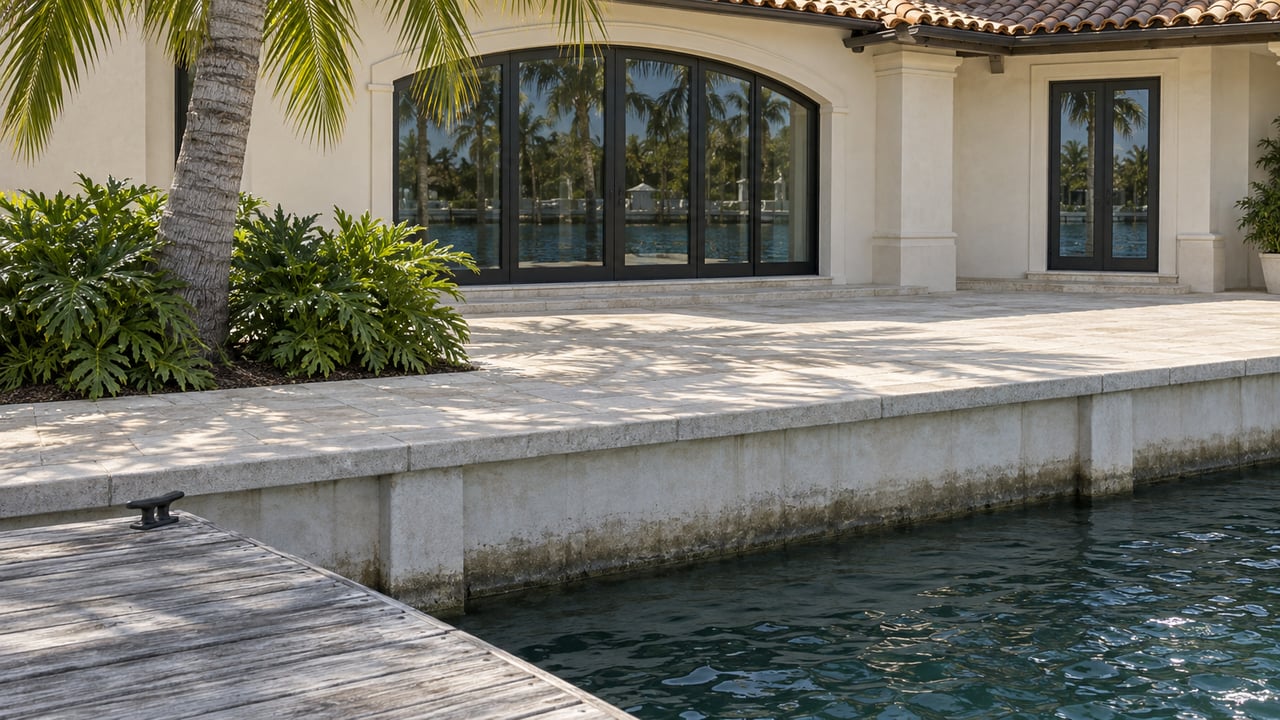
Look for corrosion on exterior metals, dock hardware, and HVAC units. Check exterior outlets for GFCI and proper bonding. Review grading near the seawall, and inspect decking, pilings, caps, and stairs for rust or rot. Note any odors or stains that could indicate past storm surge or flooding.
How to use your findings
Decide whether to make targeted repairs or offer a credit. Share inspection summaries to reduce uncertainty and keep negotiations on track. A clear dock and seawall report can be a major confidence builder for buyers and lenders.
Elevate curb appeal and staging
Exterior and dock readiness
Power-wash dock surfaces, secure loose boards, and refresh non-skid finishes where needed. Tidy hoses and marine gear, and keep mooring hardware in good order. Add subtle path and dock lighting to enhance safety and set up strong twilight photography.
Interior staging for the view
Arrange seating to face the water and remove heavy window treatments. Clean all glass doors and windows so views are crisp in photos and showings. Keep interiors neutral and uncluttered to highlight indoor-outdoor flow.
Safety and environmental care
Keep life rings or throwable devices accessible and ladders in good shape. Avoid disturbing mangrove roots or seagrass and choose eco-friendly cleaners to limit runoff into the water. These small steps matter to buyers and protect the shoreline.
Plan premium media and marketing assets
Must-have visuals
- High-resolution images of exterior living areas, interiors with water views, dock, lift, seawall, and shoreline
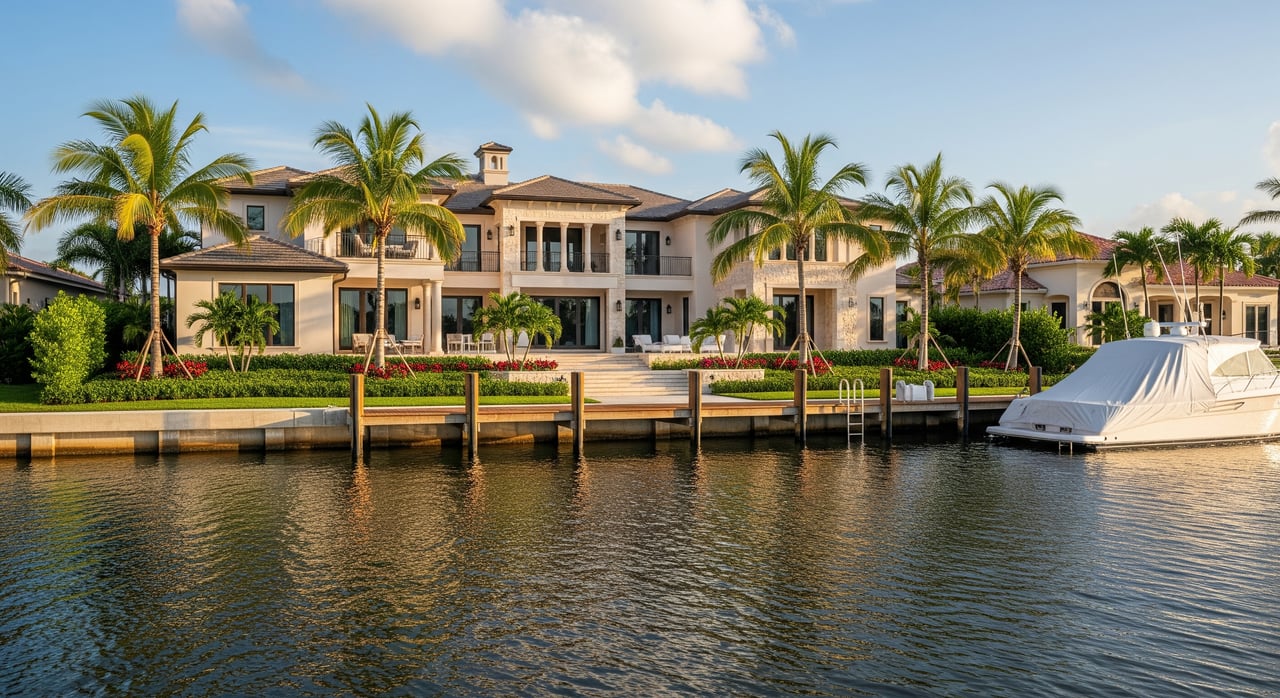
- Aerial drone photos and video that show property orientation to the water and nearby channels
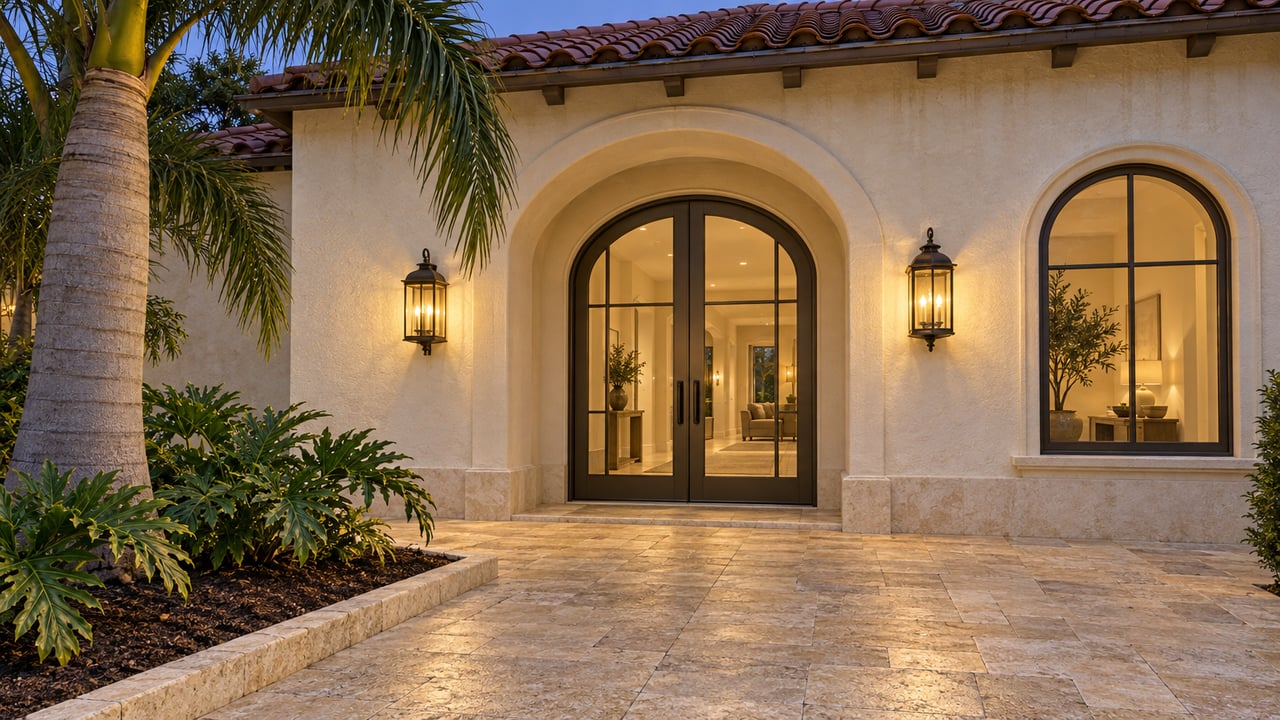
- Twilight photography to capture lighting and the waterfront setting
- Boat-level footage that approaches the dock and shows access
- Walkthrough video and 3D tours to convey flow and view lines
- Floor plans that note dock and lift location
Drone and boat rules
Hire an FAA-certified Part 107 drone pilot who carries insurance and follows Remote ID and night-operation rules where applicable. Respect privacy and local ordinances. If you plan boat filming, confirm proper boat insurance and avoid capturing neighboring docks without consent.
Shot list you can hand off
- Aerial: neighborhood context, lot outline, approach from the water
- Exterior: front elevation, rear yard to water, dock and lift closeups, seawall details, dusk lighting
- Interior: main living areas, rooms with water views, sliders opening to the waterfront
- Boat approach: a 30–60 second stabilized clip arriving and docking
- Twilight: front and rear exteriors with lighting and water reflections
File delivery and rights
Request high-res JPGs, short MP4 clips, and web-optimized copies for MLS and social media. Clarify usage rights and any exclusivity in your agreement with the photographer or videographer.
Your pre-listing timeline
- 6+ weeks out: Gather deed, survey, title, and permit history. Order dock, lift, and seawall inspections if you suspect issues.
- 4–6 weeks out: Complete permitted repairs and obtain final sign-offs. Schedule any needed contractor work.
- 3–4 weeks out: Order home, termite, and system inspections. Service HVAC and complete maintenance items.
- 2–3 weeks out: Schedule photography, drone, and boat footage for ideal weather and tide conditions. Book staging and professional cleaning.
- 1–2 weeks out: Finalize staging, confirm lighting, and deep clean glass and decking. Compile your documentation packet for showings.
- Listing day: Share your digital packet with your agent and highlight dock and seawall reports, permit numbers, and maintenance history.
Seller’s quick checklist
- Obtain current survey, deed, and title report showing shoreline details
- Pull permit history and final inspections for dock, lift, and seawall
- Order marine inspections and complete safety and cosmetic fixes
- Complete home, termite, and septic inspections if applicable
- Refresh curb appeal: clean docks, add tasteful lighting, tidy landscaping with salt-tolerant plants
- Stage for the view and clean all windows and sliders
- Hire an FAA-compliant drone operator and plan twilight and boat footage
- Assemble disclosures, inspections, permits, warranties, and insurance info
Who to involve
- Local real estate agent experienced in Collier County waterfront sales
- Title company or real estate attorney for title and riparian rights
- Licensed marine contractor or certified marine surveyor for dock, lift, and seawall
- Licensed electrician for dock power and safety
- Certified home, termite, and septic inspectors
- Licensed drone pilot and waterfront photographer
- Landscape and irrigation professional familiar with coastal plantings and erosion control
- Insurance broker experienced with waterfront and flood coverage
Selling a waterfront property is about clarity and presentation. When you document shoreline rights and permits, confirm the condition of your dock, lift, and seawall, and present the home with strong media, you reduce buyer friction and protect your sale price. If you want a local, boutique approach paired with premium marketing and responsive service, connect with Nick Solimene.
FAQs
What documents do Royal Harbor buyers expect before touring?
- A recent survey, deed and title info, dock and seawall permits, flood zone and elevation details, HOA rules if applicable, insurance info, and completed seller disclosures.
How do I prove my dock and boat lift are permitted in Collier County?
- Provide permit numbers, final inspection sign-offs, and any as-built drawings, plus maintenance and repair records from licensed contractors.
Which inspections matter most for a waterfront listing?
- Dock, lift, and seawall inspections, a general home inspection, termite inspection, pool/spa review if present, irrigation check, and septic inspection if not on municipal sewer.
How can I stage to highlight water views?
- Face seating toward the water, remove heavy window treatments, tidy outdoor areas, and add tasteful path and dock lighting to elevate twilight photos.
Do I need an FAA Part 107 pilot for drone photos?
- Yes, commercial drone work should be done by an FAA-certified Part 107 operator who follows Remote ID and any night-operation requirements.
How do flood zones affect my sale in Collier County?
- Flood zone and elevation influence insurance options and lender requirements, so provide FEMA map info and any Elevation Certificate and suggest buyers get quotes.