If you are shopping in Aqualane Shores, you are likely picturing easy mornings on the water and quick runs to lunch or the Gulf. That vision is very possible here, but the right property for your boat depends on the specific canal, dock, and lift. In this guide you will learn what to verify about depths, lifts, routes, rules, and storm prep so you can buy with confidence. Let’s dive in.
Why Aqualane Shores works for boaters
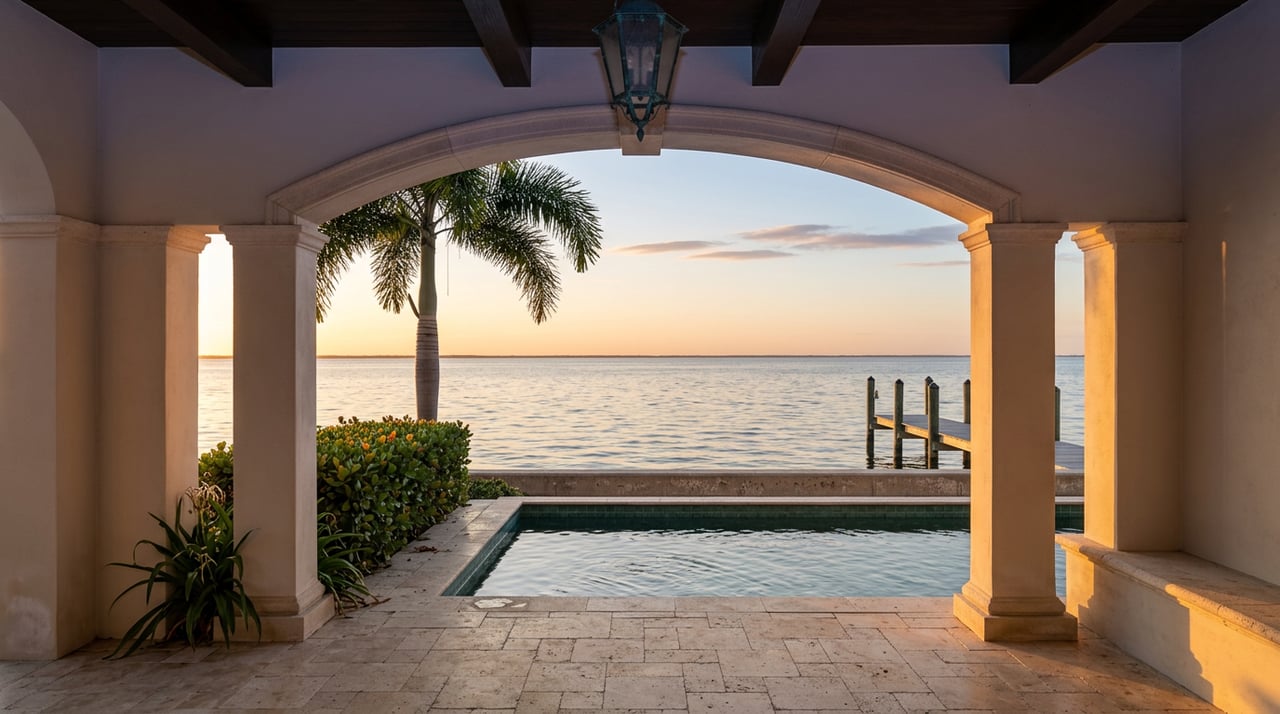
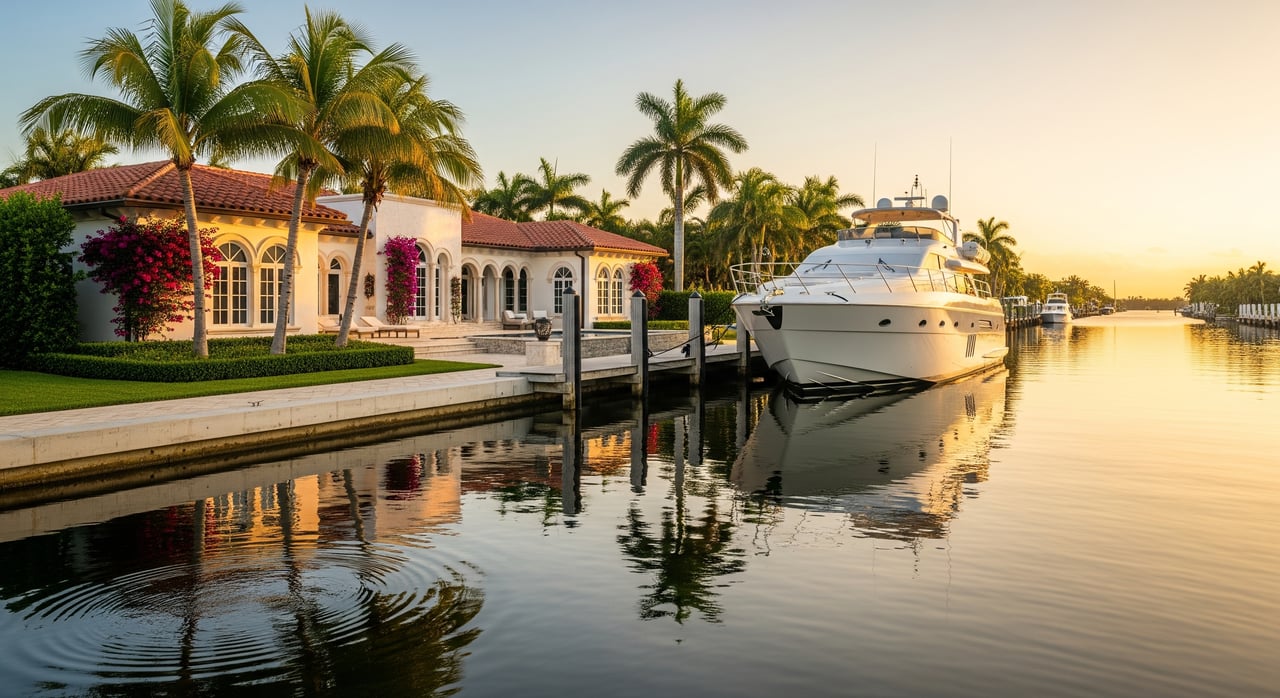
Aqualane Shores is a canal-front neighborhood with private, seawalled lots and short-water access into Naples Bay. From most docks you make a brief canal run, enter the inner harbor, then head toward the Gulf through the natural inlet. Convenience is a major draw for day boating and offshore trips. Just remember that usability varies by address, so careful verification pays off.
Know your canal
Depth and tides
Canal depths vary by canal and by dredging history. Many residential canals can be shallow at mean low water and may shoal over time. You should confirm present depths with current tide tables and local soundings. Use NOAA tide predictions and NOAA chart resources as part of your planning.
Width and turning room
Canals differ in width and turning-basin availability. Larger boats need more maneuvering space, and tight canal geometry can make backing or turning difficult. If you plan to run a bigger center console or cruiser, evaluate turning room and your approach path with wind and current in mind.
Seawall and bulkhead condition
Seawall age and condition affect dock and lift options and long-term maintenance costs. Look for signs of scouring, leaning, cracking, or patchwork repairs. Ask for any recent permits or inspection records that show the seawall’s service history and elevation.
Dock and lift basics
Common lift types and capacity ranges
You will see manual or powered single- or dual-post lifts, cantilever lifts, and floating boat lifts. Many docks are set up for small to mid-size recreational boats, while large-yacht lifts are less common. Lift capacity is rated in pounds and limited by beam and vertical clearance, so always check the manufacturer label and seller documents.
- Small craft, such as skiffs and flats boats around 15 to 22 feet, often sit on lifts rated in the low thousands of pounds.
- Mid-size center consoles and runabouts in the 20 to 30 plus foot range typically use mid-capacity residential lifts.
- Larger express cruisers or sportfishermen from roughly 30 to 45 plus feet require heavier-capacity lifts and deeper dock geometry.
Vertical clearance and towers
Hardtops, radar, and towers add height that can limit lift use. Confirm the vertical clearance from the top of the raised lift to the lowest overhead obstruction. Make sure the lift height suits your boat’s freeboard and superstructure.
Utilities and hookups
Check for 120 or 240 volt shore power, potable water, hose bibs, and GFCI protection at the dock. Verify the electrical feed rating for the lift motor and the condition of wiring, cleats, and fasteners. Ask whether permits were pulled for electrical and lift installations.
Routes to Naples Bay and the Gulf
Typical run times
From most Aqualane Shores docks, reaching downtown Naples or the Naples Pier area is commonly just a few minutes up to about 15 minutes by powerboat, depending on your exact dock location and posted speed zones. Getting from your dock to open Gulf waters is often a short to moderate outing, roughly 10 to 40 minutes. Actual time depends on the route, vessel speed, traffic, and conditions at the inlet.
Channels, tides, and shoaling
Main channels and inlets are marked and may be dredged periodically when federally maintained. Shoals can shift, so plan with current charts and recent notices. Before running a deep-draft boat, review NOAA charting resources, the U.S. Coast Guard’s Local Notice to Mariners for District 7, and the U.S. Army Corps of Engineers’ Jacksonville District navigation and dredging updates.
Speed zones and congestion
Expect posted speed and no-wake zones inside the bay and harbor, especially during busy weekends and season. Traffic can be heavy, which slows transit. Florida’s statewide boating laws and local ordinances apply, so review the Florida Fish and Wildlife Conservation Commission’s boating rules and safety guidance.
Rules, safety, and environmental areas
Florida’s boating regulations govern registration, operator rules, safety equipment, and intoxication laws. Collier County and the City of Naples may have local speed and no-wake ordinances. Manatee protection zones and seagrass areas also influence where and how you operate, especially at lower tides. Check local charts, posted markers, and FWC resources before you go.
Due diligence checklist for buyers
A little structure helps you move from interest to certainty. Use this checklist to guide your inspection and document review.
Documents and seller disclosures to request
- Dock and lift permits from Collier County and the City of Naples
- Lift manufacturer capacity sheets and maintenance records
- Seawall permits, inspection reports, and any repair documentation
- Seller disclosure about shoaling at the dock and any sediment removal or neighbor dredging history
You can verify records through the county and city. Start with the Collier County building and permitting resources and the City of Naples building department.
On-site inspection items
- Measure water depth at the dock at mean low water and at the outermost point you will use for docking
- Confirm vertical clearance for towers and hardtops, and lift height relative to your boat’s freeboard
- Inspect dock framing, decking, pilings, cleats, fasteners, and electrical wiring with GFCI protection
- Evaluate seawall condition for cracking, leaning, weep hole function, scour, and recent repairs
- Note exposure to wind and passing wakes, and assess turning room for your intended vessel
Consider hiring a marine surveyor or a local dock contractor to validate structure, capacity, and code compliance.
Property lines and allowable footprint
Waterfront work must respect property boundaries and allowable dock footprints. Review parcel lines, easements, and riparian rights with official mapping tools. The Collier County GIS mapping portal is a helpful starting point for parcel context before a formal survey.
Negotiation and post-purchase planning
If the lift capacity or canal depth does not fit your boat, factor marina storage, haul-out fees, or a lift upgrade into your ownership costs. Permitting for major dock or lift work can take weeks to months, so plan timelines early. Routine seawall and dock maintenance should be part of your budget.
Hurricane and insurance considerations
Ahead of storms, many owners remove boats from private lifts and store them on shore or at a haul-out yard. Others secure boats on lifts with added tie-downs following lift manufacturer guidance. Review your hull and dock coverage, named-storm deductibles, and any required prep steps with your insurance provider. Local marinas and yards often have hurricane plans, but capacity can be limited during regional events, so confirm options before peak season.
Putting it together for your search
Aqualane Shores offers direct canal access and quick runs to Naples Bay, which is ideal for day boating and offshore trips. The right fit comes down to your boat’s draft, beam, and weight, plus the property’s canal depth, dock and lift ratings, turning room, and seawall condition. With a focused inspection and the right records, you can buy confidently and start enjoying the water faster.
If you want a property-by-property evaluation aligned to your vessel and lifestyle, reach out for local guidance. As your Naples waterfront specialist, I can coordinate permit checks, connect you with trusted marine pros, and help you compare options street by street. When you are ready, connect with Nick Solimene to start your Aqualane Shores search.
FAQs
What boats typically fit Aqualane Shores docks?
- Many docks suit small to mid-size recreational boats such as skiffs, bay boats, center consoles, and express cruisers, while very large yachts usually need higher-capacity lifts or marina storage.
How long does it take to reach the Gulf by boat from Aqualane Shores?
- Typical runs range from about 10 to 40 minutes, depending on your dock location, posted speed zones, vessel speed, traffic, and inlet conditions.
Are there no-wake zones in the canals and Naples Bay?
- Yes, expect posted speed and no-wake areas in the inner bay and harbor, with enforcement that is stricter during busy periods, so plan for slower transits.
How can I verify that a dock or lift was properly permitted?
- Request copies of county and city permits from the seller and confirm them through Collier County building records and the City of Naples building department.
What if my yacht exceeds typical residential lift capacities?
- Consider nearby marina or yard storage unless the property has a verified high-capacity lift and adequate depth and maneuvering room for your vessel.
What should I look for in a seawall before buying in Aqualane Shores?
- Check for cracking, leaning, and signs of scour, ask for permits and inspection reports, and consider a professional evaluation to estimate remaining service life.