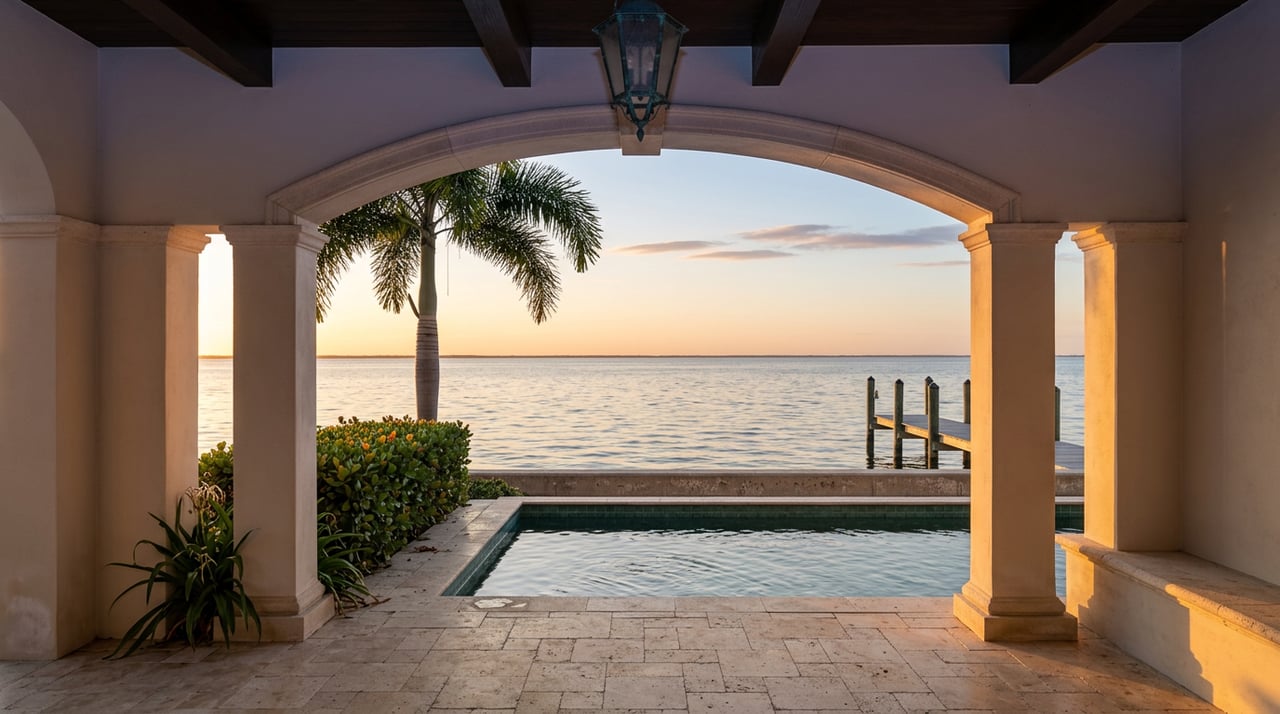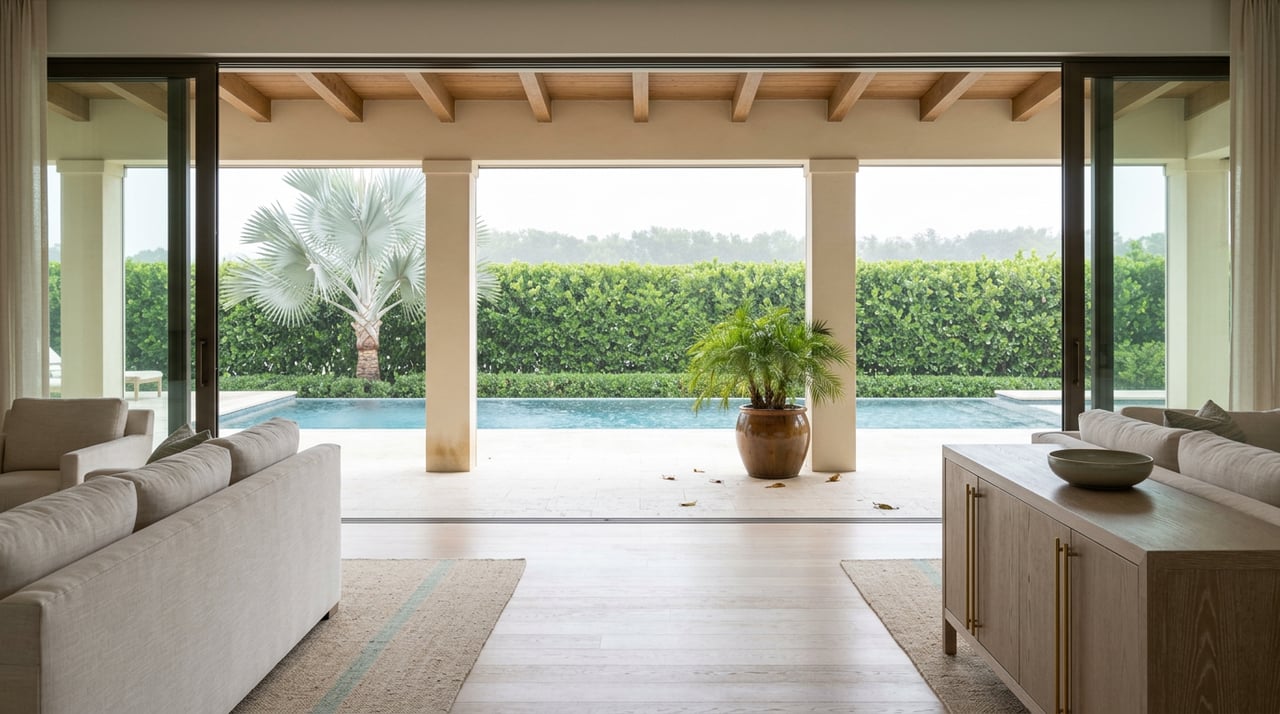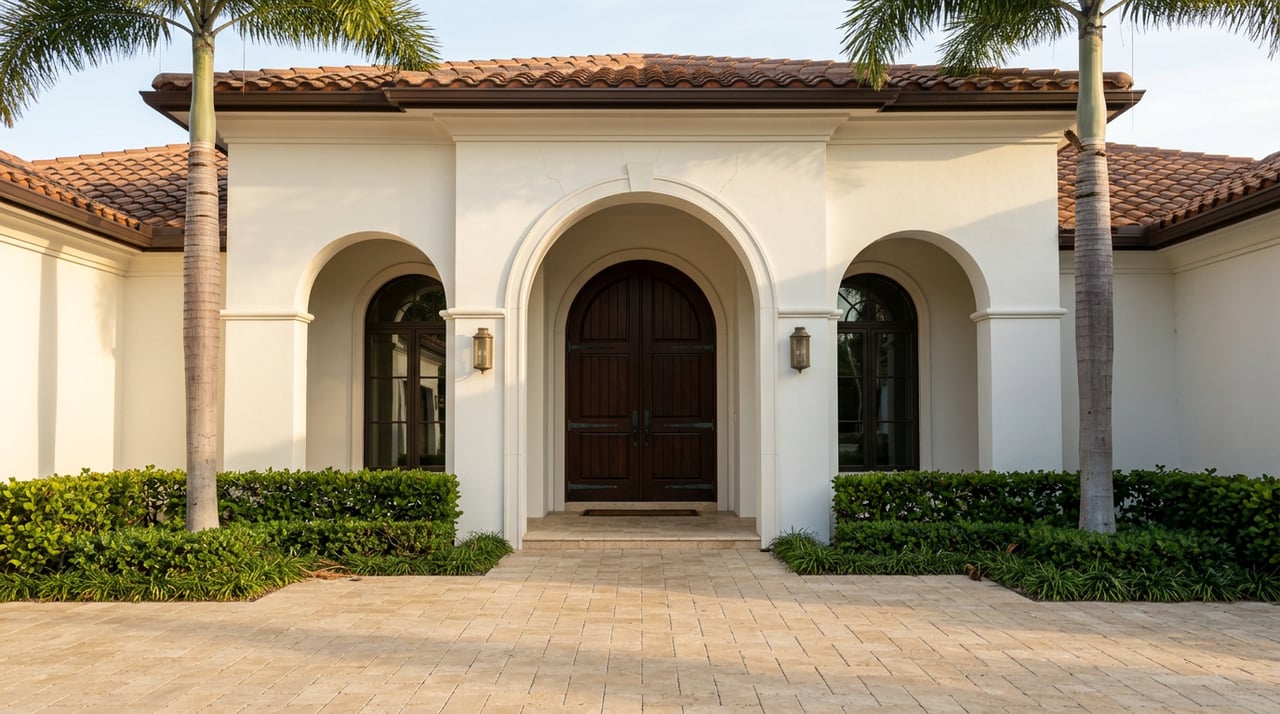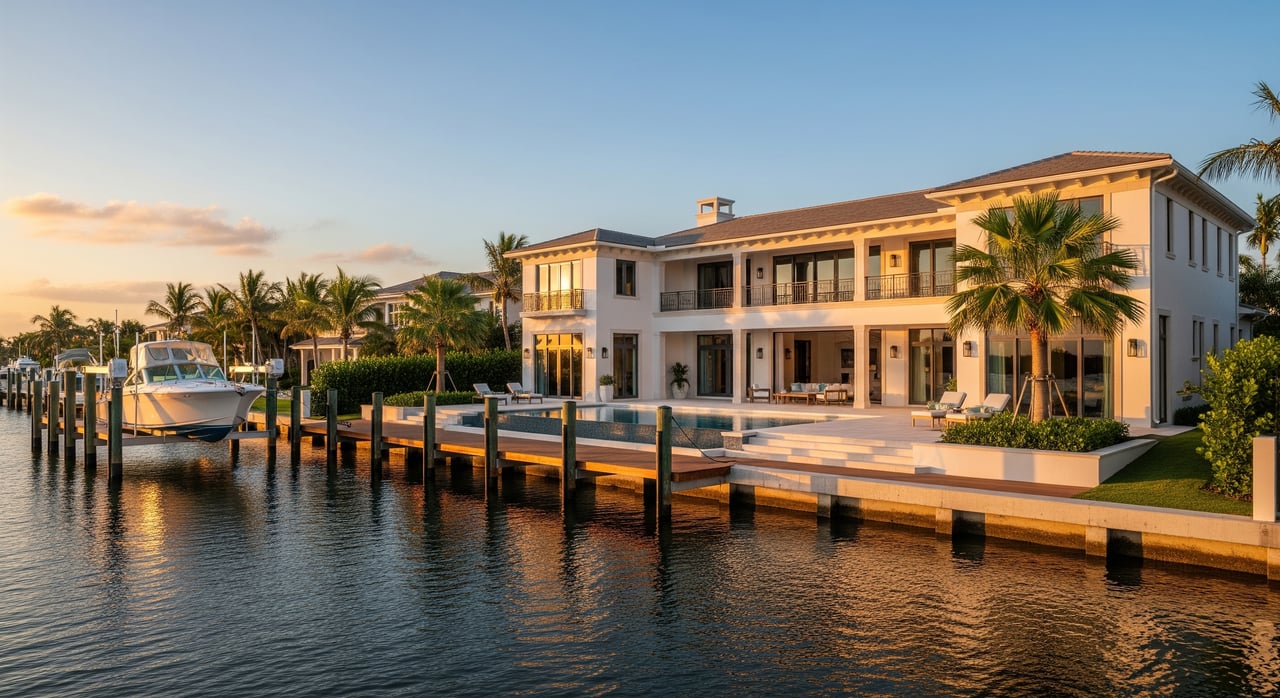
Looking at a waterfront property in Aqualane Shores and wondering if you should buy it as-is or tear it down and build new? You are not alone. In this Naples enclave where lot quality and dock access carry real weight, the right move depends on your timeline, risk tolerance, and long-term goals. In this guide, you will compare timelines, carrying costs, permitting realities, design control, and resale outlook so you can choose with confidence. Let’s dive in.
Why Aqualane Shores appeals
Aqualane Shores is a small, predominantly single-family waterfront neighborhood in Naples, Collier County. Many lots offer private docks or seawalls and walkable access to nearby amenities and downtown nodes. That combination of water access and location keeps demand strong.
In communities like Aqualane Shores, lot scarcity and limited resale inventory often push land values higher relative to inland neighborhoods. Waterfront properties in the Naples area typically command premiums and can move faster than nonwaterfront homes, although performance varies by price tier and submarket. Buyers here include year-round residents, seasonal owners, second-home buyers, and clients targeting a lot for a future custom build.
Finished home: what to expect
Buying a finished home gives you speed, certainty, and immediate use.
Time to keys
Your timeline is usually the standard 30 to 60 days from contract to closing, depending on financing and inspections. You can occupy or start enjoying the home upon closing and utility transfer.
Carrying costs
Your costs are the usual items: property taxes, homeowner’s and windstorm insurance, flood insurance if required by your lender, utilities, and routine maintenance. There is no construction loan interest or extended holding period tied to a build schedule.
Design and quality
You trade some design control for immediacy. If the home does not match your preferences or current code expectations, you may plan renovations. Older homes may need upgrades for impact-rated openings, mechanical systems, or elevation considerations.
When this option fits
- You want to move in within weeks, not years.
- You prefer predictable costs over construction risk.
- You find a home with a sound seawall and dock, modern systems, and a layout that fits your lifestyle.
Tear down and build: what to expect
Buying a property for land value, then designing and building new, maximizes control and can position you well for future resale, but it lengthens your timeline and adds variables.
Timeline overview
From acquisition to occupancy, plan on roughly 12 to 30 months in coastal Collier County. That window includes due diligence and design, permitting and approvals, demolition and site prep, and 10 to 18 months of construction for a custom waterfront home. Timelines vary with scope, agency coordination, builder availability, and marine work.
Carrying and soft costs
While you build, you carry property taxes, insurance, and any construction financing. Expect builder’s risk coverage, windstorm and flood considerations, and interest payments tied to draw schedules if you use a construction loan. Add costs for design, engineering, surveys, impact fees, permit fees, and contingency. Demolition and disposal, site security and maintenance, and utility management also factor in.
Design control and construction quality
The advantage is full control. You can set the floor plan, finishes, elevation strategy, garage and storage configuration, and marine features. You can build to the latest Florida Building Code and align materials and systems with coastal exposure.
Permits and site limits
Coastal Collier County projects require careful planning. You will confirm flood zone and base flood elevation, meet finished-floor and foundation requirements, and align with setback and height standards. Seawall work and docks need permits and may involve county and state review. Mangrove and wetland rules are strict. Tie-ins to public utilities and stormwater treatment must match local standards. When needed, plan for geotechnical borings for pile design and engineering for marine structures.
Cost drivers to budget
Every lot and scope is different, but you should model the major levers:
- Land value vs. structure value. In premium waterfront enclaves, the lot and dock access often drive intrinsic value. Teardown candidates may price close to lot value.
- Demolition and site prep. Costs vary by home size, disposal logistics, and any hazardous material abatement.
- New construction scope. Coastal builds often require elevated foundations, impact-rated openings, and marine-grade materials, which lift per-square-foot costs.
- Seawall and dock. Condition can be a major swing factor. Replacement or repair costs are significant and may be required for financing or insurance.
- Soft costs. Architecture, engineering, surveys, permit and impact fees, utility connections, and a contingency reserve of 10 to 20 percent or more for unknowns.
- Financing and insurance. Lenders may require an acceptable seawall and elevation data. Flood and windstorm insurance availability and price affect carrying costs and future marketability.
Resale factors to weigh
In Aqualane Shores, buyer expectations tend to favor modern coastal construction, elevated living spaces, impact-rated systems, and reliable marine infrastructure. A thoughtful new build that meets these standards can command a premium and may sell faster than an older home that needs substantial updates.
That said, over-building can narrow your buyer pool. An outsized or highly specialized design may increase days on market. Marine infrastructure condition at resale is critical. Insurance and financing conditions also affect how many buyers can proceed and on what terms. In luxury segments, not every upgrade returns dollar-for-dollar, but some features are necessary for marketability.
Due diligence checklist
Before you commit, complete a focused review so your offer reflects true conditions and timelines.
- Survey and title. Order an ALTA or boundary survey and a title search to confirm boundaries, easements, and riparian rights.
- Flood and elevation. Verify flood zone and base flood elevation, and request any existing elevation certificates.
- County file review. Pull Collier County permit history and code compliance for the property.
- Seawall and dock. Get a marine engineer’s inspection and reports on age, repairs, and condition.
- Utilities. Confirm public sewer service or any needed conversion, plus utility connection requirements.
- Environmental items. Flag mangroves, wetlands, and protected vegetation. Obtain environmental review if needed.
- Geotechnical. Conduct soil borings to inform foundation and pile design.
- HOA or review boards. Confirm any architectural review processes or deed restrictions.
- Preliminary build plan. Engage architects and builders for conceptual budgets and timeline estimates before you finalize pricing.
Your professional team
Waterfront projects move smoother with the right experts at the table early.
- Local real estate agent experienced in Collier County waterfront.
- Architect with Florida coastal code expertise.
- Custom home builder with Collier County coastal experience.
- Coastal or marine engineer for seawalls and docks.
- Geotechnical engineer for soil and pile design.
- Structural engineer for wind loads and foundation systems.
- Land surveyor for ALTA and boundary work.
- Permit expeditor or attorney versed in county processes.
- Insurance broker familiar with flood and windstorm markets.
Make your decision
If rapid occupancy and simplicity rank first, a finished home is your best fit. You avoid construction risk and start enjoying the Aqualane Shores lifestyle right after closing. Focus your search on properties with sound seawalls and docks, modern systems, and layouts that minimize future renovation.
If design control and long-term positioning matter most, a teardown and custom build can be worth the wait. You gain a home tailored to your preferences and built to current coastal standards, which can support future resale in this scarce, water-access micro-market. Just be prepared for a longer timeline, active permit coordination, and comprehensive budgeting with a healthy contingency.
Either path benefits from early conversations with local builders, a marine engineer’s opinion on the seawall and dock, and a precise read of current insurance and lending requirements. When you are ready to compare specific properties and model your options, connect with a trusted local advisor who knows Aqualane Shores lot-by-lot.
If you want a clear, custom plan for your goals in Aqualane Shores, reach out to Nick Solimene. You will get neighborhood-specific guidance, vetted referrals, and a strategy that fits your timeline and risk profile.
FAQs
How long does a teardown-to-build take in Aqualane Shores?
- Typical timelines run 12 to 30 months from purchase to occupancy, including design, permitting, demolition, and 10 to 18 months of construction for a custom waterfront home.
What are the biggest hidden costs when building new on the water?
- Seawall and dock work, soft costs like design and permits, construction loan interest, and contingencies for coastal unknowns are the items that most often expand budgets.
How fast can I move into a finished home in Aqualane Shores?
- Most buyers close within 30 to 60 days depending on financing and inspections, then can occupy immediately after closing and utility transfer.
Will lenders or insurers care about the seawall condition?
- Yes, many lenders and insurers require the seawall and dock to be in acceptable condition, and they may request engineering reports and elevation information for coastal properties.
What permits and approvals affect waterfront builds in Collier County?
- Expect county building and floodplain compliance, possible state coastal and environmental permits, seawall and dock approvals, and adherence to setbacks, height limits, impervious surface, and stormwater requirements.
Which option has better resale potential in Aqualane Shores?
- A well-executed new build that meets modern coastal expectations often commands a premium, but a finished home in strong condition with sound marine infrastructure can also perform well without the build-cycle risk.